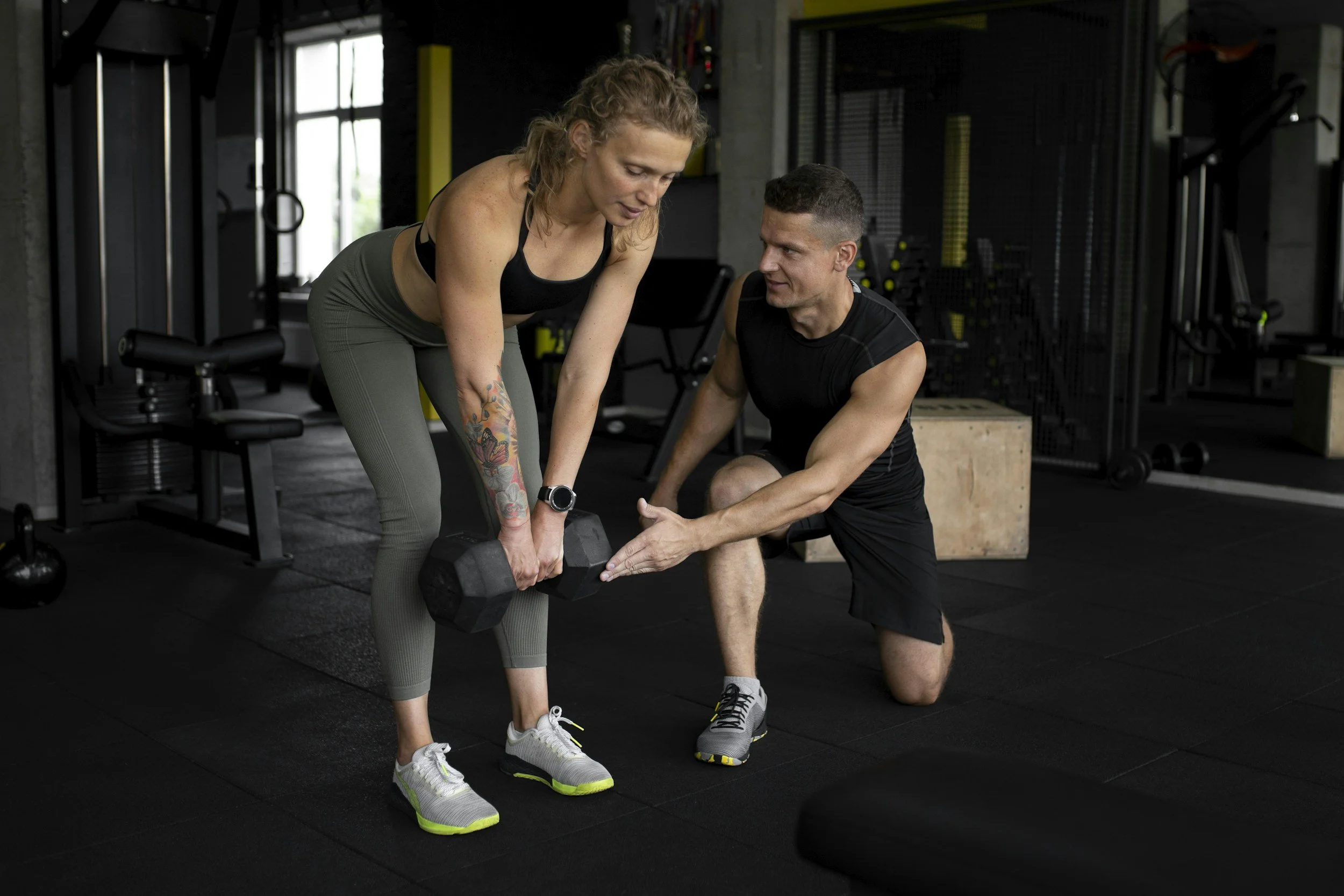
Calisthenics Coaching for Beginners: What Your First 90 Days Should Look Like
You want to start calisthenics.
You've seen the videos.
Muscle-ups.
Handstands.
Front levers.
People controlling their entire bodyweight like gravity doesn't exist.
And you want to learn.
There's just one problem.
You can't do any of those things yet.
Maybe you can't even perform a pull-up.
So you start wondering:
"Am I actually ready for calisthenics coaching?"
Yes.
In fact, beginners are often the people who can benefit most from learning the fundamentals correctly.
But here's what you need to understand.
Your first 90 days of calisthenics shouldn't be about rushing toward advanced skills. They should be about building the strength, technique, and consistency that make those skills possible.
A good beginner calisthenics coach understands that distinction.
And your training should reflect it.
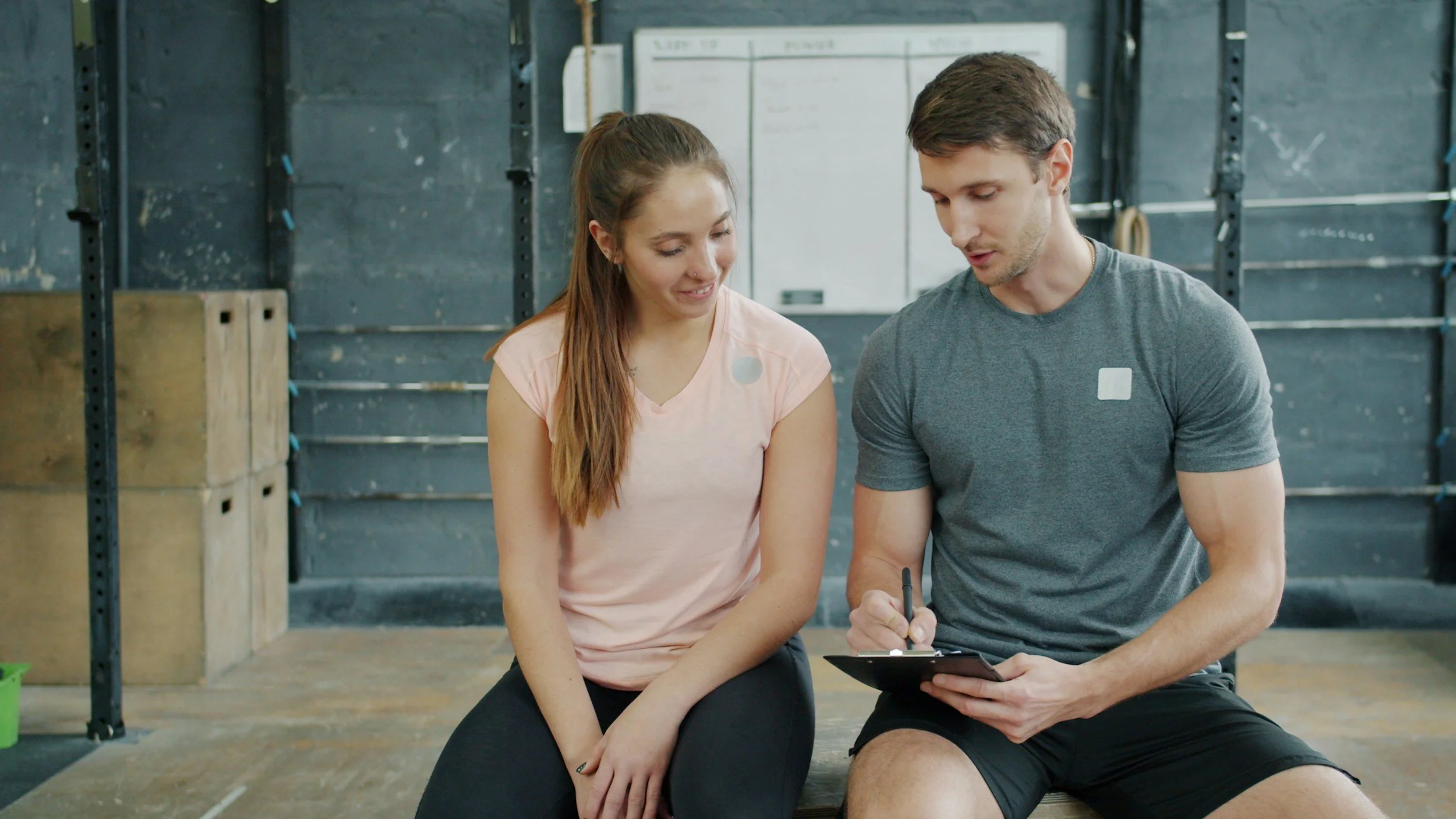
How to Choose a Calisthenics Coach: 10 Questions to Ask Before Booking
ou want to learn calisthenics.
Maybe you're starting from zero.
Maybe you already have solid pull-ups and dips but can't figure out your first muscle-up.
Or maybe you're an experienced athlete trying to develop a planche, front lever, or freestanding handstand.
You know coaching could help.
But how do you actually choose the right calisthenics coach?
A certification?
Instagram followers?
Impressive skills?
Client transformations?
Here's what matters.
A qualified calisthenics coach should understand your current ability, identify what limits your progress, and build a structured training process around your goals.
Being an impressive athlete doesn't automatically make someone an effective coach.
And having a personal training certification doesn't automatically mean someone understands advanced bodyweight skills.
You need to evaluate both.
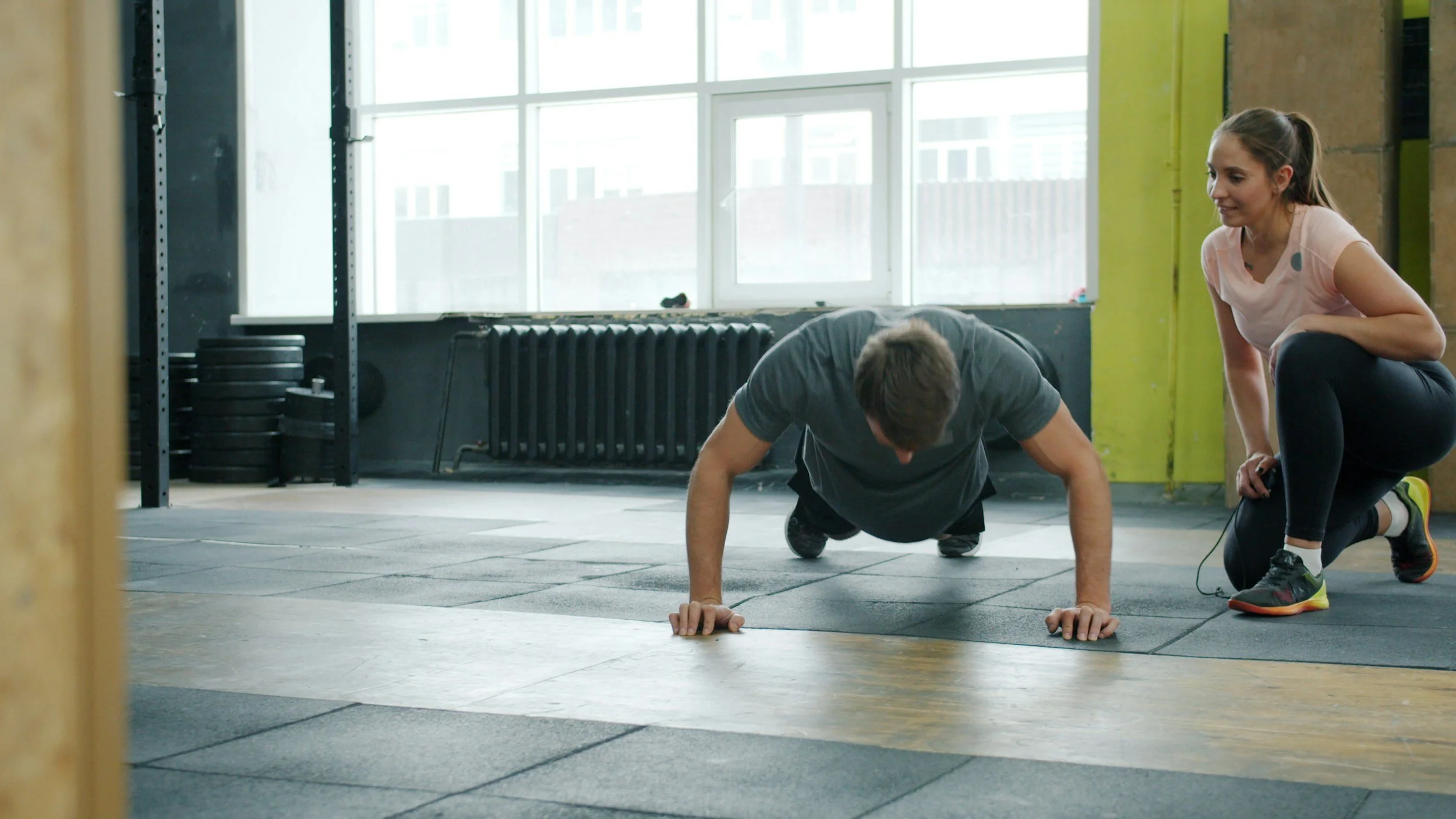
What to Expect From Your First Calisthenics Coaching Session
You've decided to work with a calisthenics coach.
Maybe you've booked your first private session.
Maybe you're still considering it.
Either way...
you're wondering what actually happens.
Will you be tested?
Will you need to perform pull-ups?
Should you already know the basics?
Will the coach immediately start teaching advanced skills?
Here's what you should understand.
A productive first calisthenics coaching session should establish your goals, assess your current ability, identify relevant limitations, and begin building a realistic training direction.
You don't need to arrive as an experienced athlete.
You need to arrive ready to learn.
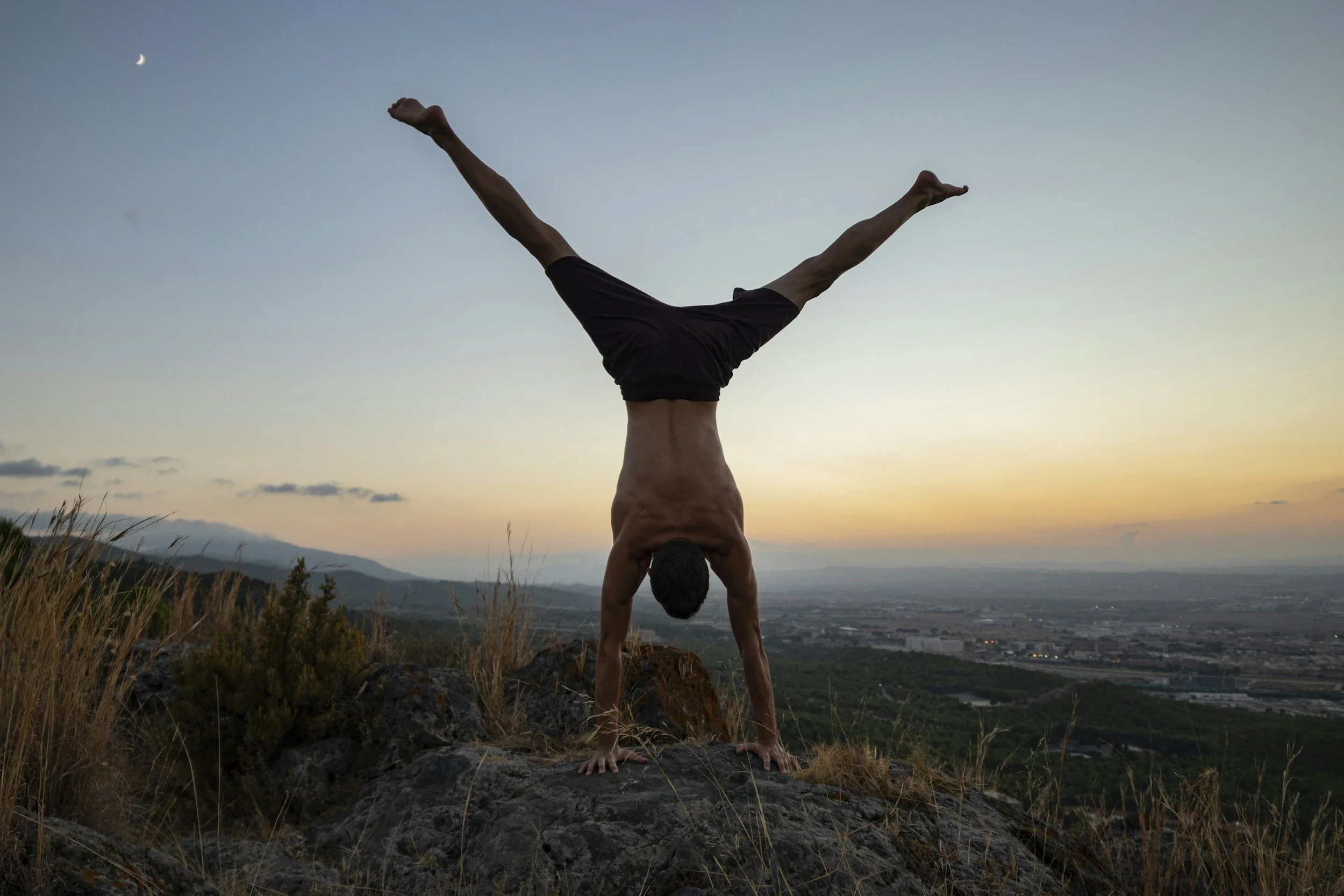
Online vs. In-Person Calisthenics Coaching: Which Is Better?
You're ready to take calisthenics more seriously.
You want a structured program.
Better technique.
Consistent progress.
But there's one decision you haven't made.
Should you hire an online calisthenics coach...
or work with someone in person?
Both options can be effective.
But they solve different problems.
In-person calisthenics coaching is especially valuable for immediate technique feedback and supervised practice. Online coaching can work well for athletes who train independently but need individualized programming, video analysis, and accountability.
The right choice depends on your experience, goals, schedule, and the level of feedback you need.
Here's how to decide.
Do You Need a Muscle-Up Coach? How to Find the Right Specialist
You've been working toward your first muscle-up.
You can perform pull-ups.
You can perform dips.
Maybe you're even strong enough to add weight to both.
But every time you attempt a muscle-up...
you get stuck.
You pull.
Your chest approaches the bar.
Then everything stops.
So you try harder.
You kick more.
You attempt another repetition.
And somehow...
you're still not getting over the bar.
This is where specialized coaching can become valuable.
A muscle-up coach helps identify whether your limitation is pulling strength, pulling height, transition mechanics, timing, or movement control—and builds training around that specific problem.
Because not every failed muscle-up has the same solution.

How Much Does Calisthenics Personal Training Cost in Miami?
If you are looking for a personal trainer in Miami, you have plenty of options.
If you are specifically looking for help with pull-ups, muscle-ups, handstands, planche, front lever, freestyle calisthenics, mobility, or advanced bodyweight strength, the pool gets much smaller.
That is where specialized calisthenics personal training becomes valuable.
A good calisthenics coach does more than supervise workouts. They help you choose the right progressions, improve technique, identify what is limiting your skills, and structure training around your current level.
Here is what to expect from calisthenics personal training in Miami, how pricing works, and how to decide whether specialized coaching is worth it for your goals.
Best Calisthenics Parks in Miami
Miami is one of the best cities in the country for outdoor calisthenics.
The weather, beach culture, and public fitness infrastructure make it easy to train pull-ups, dips, muscle-ups, handstands, freestyle, and general bodyweight strength without needing a traditional gym.
The key is knowing which parks are actually worth using.
Some locations are better for advanced skills. Others are better for beginners, structured coaching, or people who want something quieter and more practical than South Beach.
Here are some of the best calisthenics parks and outdoor training spots in Miami, plus what each location is best for.
If you want more than a place to train and are looking for personalized instruction, you can also find a calisthenics coach in Miami through CalisthenicsCoaches.com.

How to Find a Calisthenics Coach in Miami
Finding a personal trainer in Miami is easy.
Finding a coach who actually understands calisthenics is much harder.
If your goals include pull-ups, muscle-ups, handstands, planche, front lever, freestyle calisthenics, mobility, or advanced bodyweight strength, a general fitness trainer may not be the best fit.
Calisthenics is a specialized discipline. Progress depends on technical skill, strength development, movement quality, leverage, joint preparation, and choosing the right progression at the right time.
That is why choosing the right coach matters.
If you are looking for a calisthenics coach in Miami, here is what to look for before you commit

Calisthenics Personal Training in Los Angeles: What to Expect & What It Costs
If you’re looking for a personal trainer in Los Angeles, you have thousands of options.
If you’re specifically looking for someone who can help you build your first pull-up, learn a muscle-up, improve your handstand, develop a front lever or planche, train freestyle, or simply become stronger and more athletic with your own bodyweight, the search becomes much narrower.
That is where specialized calisthenics coaching comes in.
But what should you actually expect from a calisthenics personal trainer in Los Angeles? How much does it cost? And how do you know whether specialized coaching is worth paying for?
Here’s what you should know before hiring a coach.

Best Calisthenics Parks in Los Angeles
Los Angeles is one of the best cities in the country for calisthenics.
Between the year-round weather, beach training culture, public parks, and outdoor fitness areas, there are plenty of places to train pull-ups, dips, handstands, muscle-ups, freestyle, and general bodyweight strength.
The challenge is knowing which parks are actually worth your time.
Some locations are better for beginners. Others are better for advanced skills, freestyle, or meeting other athletes. Some have great equipment but are inconvenient at peak hours. Others are better if you want a quieter place to train consistently.
This guide breaks down some of the best calisthenics parks and outdoor training spots in Los Angeles, what each location is best for, and how to choose the right place for your goals.
If you want more than a place to train and are looking for personalized instruction, you can also find a calisthenics coach in Los Angeles through CalisthenicsCoaches.com.

How To Find a Calisthenics Coach in Los Angeles
Finding a personal trainer in Los Angeles is easy.
Finding a coach who actually understands calisthenics is much harder.
Calisthenics involves more than basic bodyweight exercises. If your goals include pull-ups, muscle-ups, handstands, planche, front lever, freestyle, mobility, or advanced bodyweight strength, you need someone who understands the progressions, technique, strength requirements, and movement mechanics behind those skills.
The right coach can shorten the learning curve significantly. The wrong coach can leave you repeating exercises that do not address what is actually limiting your progress.
Here is what to look for when choosing a calisthenics coach in Los Angeles.